

Interstate moving tips can help you avoid costly mistakes when moving across state lines. An interstate move involves different pricing rules, regulations, and timelines than a local move, which is why understanding the process ahead of time is critical. Before you book a mover, here are the most important things to know to protect yourself and your belongings.
1. Interstate Moving Tips: Understanding Federal Regulations
Unlike local moves, interstate moves are regulated by the Federal Motor Carrier Safety Administration (FMCSA). This means your mover must have a valid USDOT number and follow federal rules regarding estimates, contracts, and liability. Always verify that the company is properly licensed to operate across state lines.
2. Binding vs. Non-Binding Estimates Matter
For interstate moves, you’ll usually receive either a binding estimate or a non-binding estimate.
- Binding estimate: The price is locked in based on the inventory provided.
- Non-binding estimate: The final cost can change depending on actual weight and services.
Understanding which one you’re signing can save you from major price jumps on delivery day.
3. Weight Determines the Cost
Most interstate moves are priced by weight and distance, not by hourly labor. That means the more you move, the more you pay. Decluttering before your move can significantly reduce your overall cost, especially on long-distance relocations.
4. Delivery Windows Are Normal
Unlike local moves where delivery happens the same day, interstate moves usually come with a delivery window. This window accounts for long driving distances, DOT driving limits, and route scheduling. Planning flexible arrival dates helps reduce stress.

5. Packing Tips for Interstate Moving
Proper packing is critical for long-distance moves. Items are on the truck longer, experience more movement, and go through multiple loading and unloading stages. Professional packing services reduce the risk of damage and make claims easier if something goes wrong.
6. Valuation Coverage Is Not the Same as Insurance
Interstate movers are required to offer valuation coverage, but basic coverage is minimal. If you’re moving high-value items, you may want to purchase full-value protection or third-party coverage for peace of mind.
7. Communication Is Key
Because interstate moves involve longer timelines, clear communication with your moving company is essential. Make sure you know:
- Who your main point of contact is
- When pickup and delivery windows are
- How updates will be provided during transit
Final Thoughts
An interstate move doesn’t have to be overwhelming, but it does require more planning than a local move. Understanding how pricing works, what paperwork means, and how delivery timelines function can help you move with confidence. Following proven interstate moving tips can help reduce stress, avoid delays, and prevent unexpected charges on moving day.
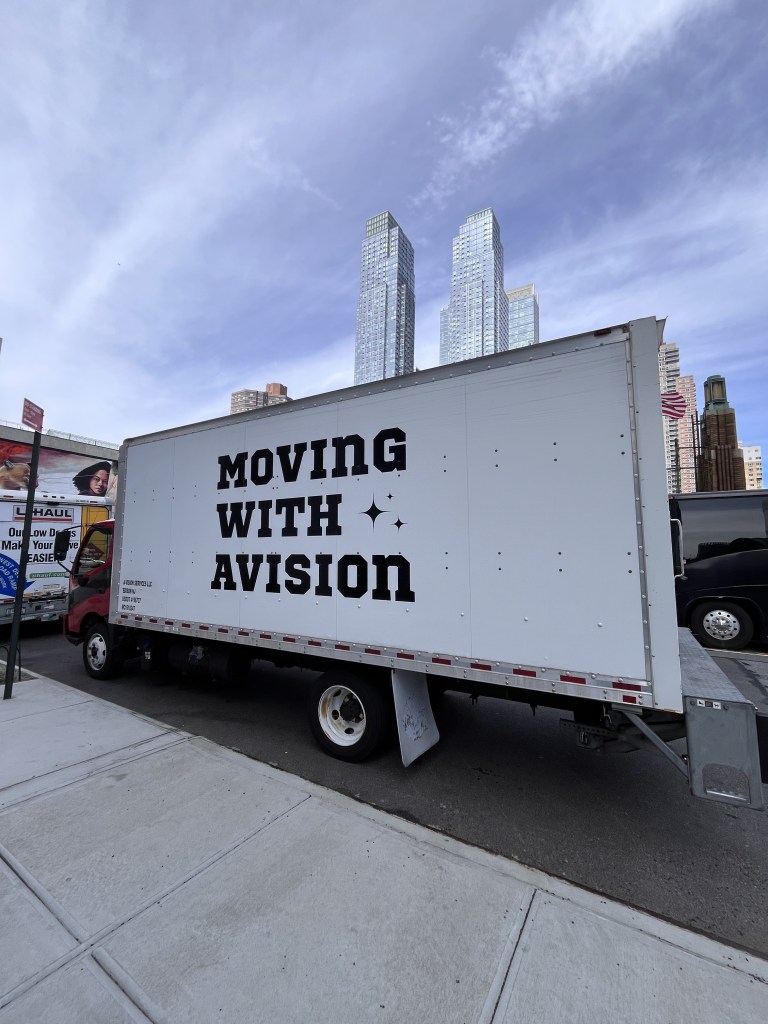
If you’re planning an out-of-state move from New Jersey, Moving With A Vision can help handle the logistics, packing, and transportation so you don’t have to stress about the details!